Cart
0
£0.00
Restoring these songs was never going to be simple.
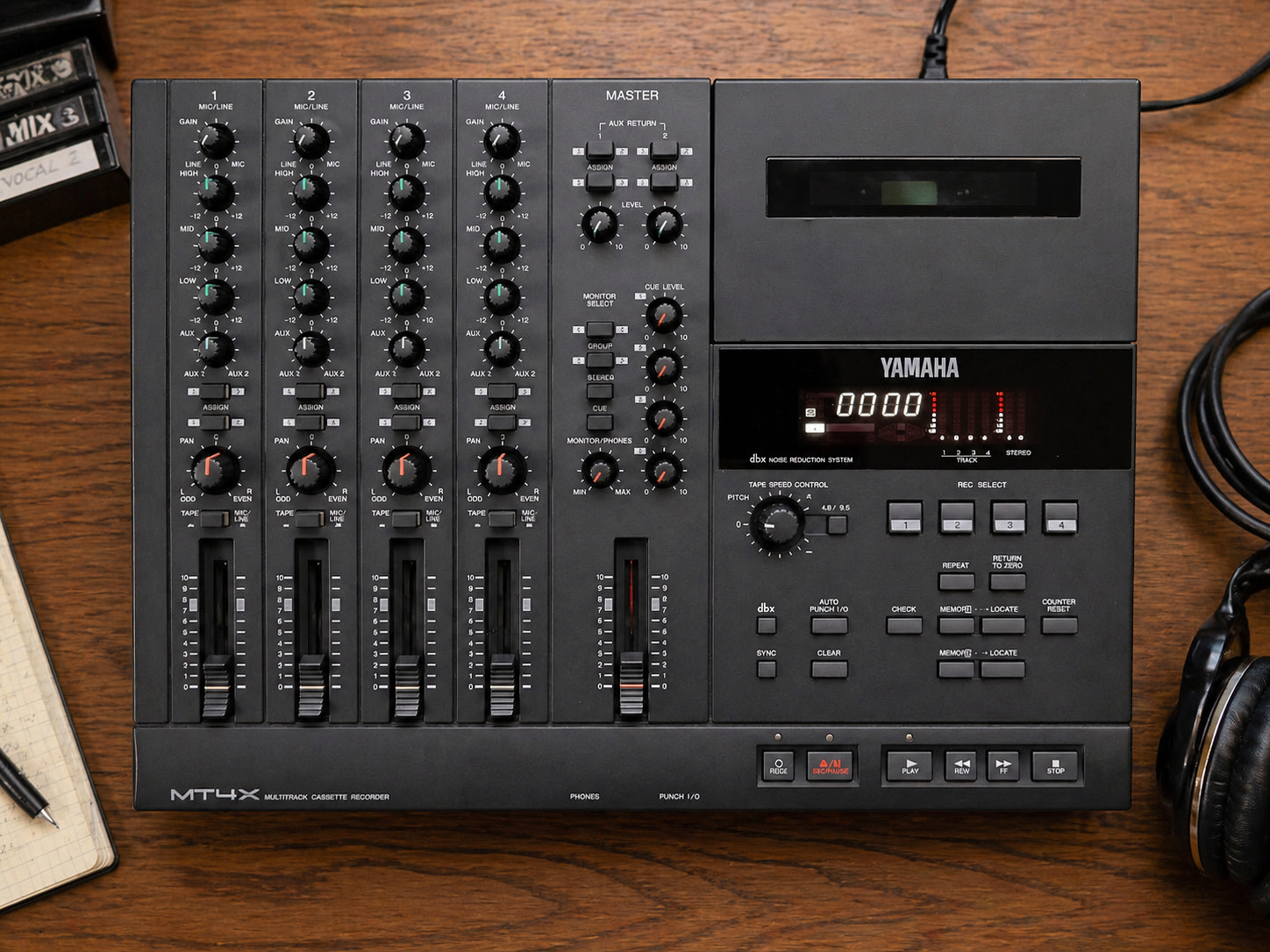
The recordings we made between 1985 and 1995 were captured on equipment that wasn't built to last decades. Tape degradation, background noise, and uneven levels—all of it had taken its toll over time. Preserving the music meant more than just finding the recordings. It meant rebuilding them carefully, without losing what made them real in the first place.
For a long time, I hesitated.
Not because the tools weren't available, but because I didn't want the music to lose its authenticity. These songs weren't meant to sound modern or overpolished beyond recognition. They were meant to feel like they did when we played them, raw, honest, and alive.
Eventually, I realized that restoration didn't mean replacement. It meant preservation.
That's when I began exploring the tools that could help bring the recordings back while still respecting their original character.
I chose to work with a combination of modern tools, including
None of these tools were used to recreate or replace what we made.
They were used to support what was already there.
Every decision required judgment, when to restore, when to leave something untouched, and when to step back entirely. In many cases, the imperfections were part of the story, and removing them would have taken away from the authenticity of the music.
Each track required hours, sometimes days, of listening, adjusting, and revisiting. Small changes could affect the entire feel of a song, so every step had to be intentional. There were moments where I had to walk away and come back later with a clearer perspective.
The goal was never perfection.
The goal was truth.
To let the songs sound like they belonged to the time and place they came from, while still making them listenable and accessible today.
To maintain authenticity while restoring listenability, the process followed a careful, multi-stage workflow:
1. Source Recovery
Using tools like Fender Studio Pro and ACE Studio didn't make the work easier; it made it possible.
But the heart of the music was never in the tools.
It was always in the performances, the memories, and the people behind them.
Everything you hear now is the result of that balance, between preservation and restoration, between past and present, and between technology and human care.